How to Start a Business With No Money in 2026: A First-Sale Plan

You want to start a business, but your bank balance keeps interrupting the conversation. That can feel like a dead end. It is not.
A lack of startup cash limits what you can buy, but it does not prevent you from testing a useful idea. A person with a practical skill, a phone, a small network, and the discipline to speak with potential customers can often test a service before paying for a logo, office, inventory, or complicated website.
The goal is not to pretend that every business can launch for exactly zero dollars. Some activities require licenses, insurance, equipment, transport, or professional advice. If your plan includes replacing part of your employment income, FinanceClif’s Passive Income Calculator can help you compare a target with potential income sources; it does not predict results. The goal is to delay optional spending until a real customer proves that the offer deserves more investment.
This guide shows how to choose a low-cost business, validate demand, make a first offer, deliver responsibly, and build a simple 30-day plan without confusing revenue with profit.

Table of Contents
- What Starting With No Money Really Means
- Choose a Business You Can Test Quickly
- 15 Low-Cost Business Ideas for 2026
- Validate the Idea Before You Spend
- Use Free Tools Without Building a Tool Collection
- A 30-Day Plan for Your First Sale
- Price for Profit, Not Just Revenue
- Legal and Safety Basics to Check
- Mistakes That Make a No-Money Business More Expensive
- When to Reinvest in the Business
- Your First Sale Is the Beginning of the Test
- Frequently Asked Questions
What Starting With No Money Really Means
Starting with no money usually means starting with very little discretionary money. You may still use a phone, internet connection, transportation, free software, existing equipment, and unpaid personal time. Those resources have value, so include them in your thinking even when they do not appear as a new charge on a bank statement.
A practical low-cost approach has three rules:
- Sell a specific result before building a large product. A customer conversation is cheaper than months of untested development.
- Use tools you already understand. Free software is useful only when it helps you deliver reliably.
- Separate essential costs from optional appearance costs. A required permit may be essential; a premium logo usually is not.
When cash is tight, customer evidence is more valuable than business decoration.
Choose a Business You Can Test Quickly
The safest first business is not necessarily the most exciting idea. It is the idea you can explain clearly, test with real people, and deliver with the resources you already have.
| Question | What a strong answer looks like |
|---|---|
| What problem do you solve? | A specific problem that costs the customer time, money, stress, or missed opportunity. |
| Who has the problem? | A reachable group such as local businesses, busy parents, creators, landlords, students, or professional teams. |
| What can you deliver now? | A service or small product you can complete without waiting months to learn everything. |
| How will a customer find you? | A realistic channel such as direct outreach, referrals, a local group, a marketplace, or useful public content. |
| What must you spend first? | Only the costs required for safety, legality, payment, or delivery. |
If you cannot answer these questions, narrow the idea before spending money. “I want to help businesses grow” is too broad. “I help local tradespeople turn unanswered customer reviews into a monthly response system” is easier to test.
15 Low-Cost Business Ideas for 2026
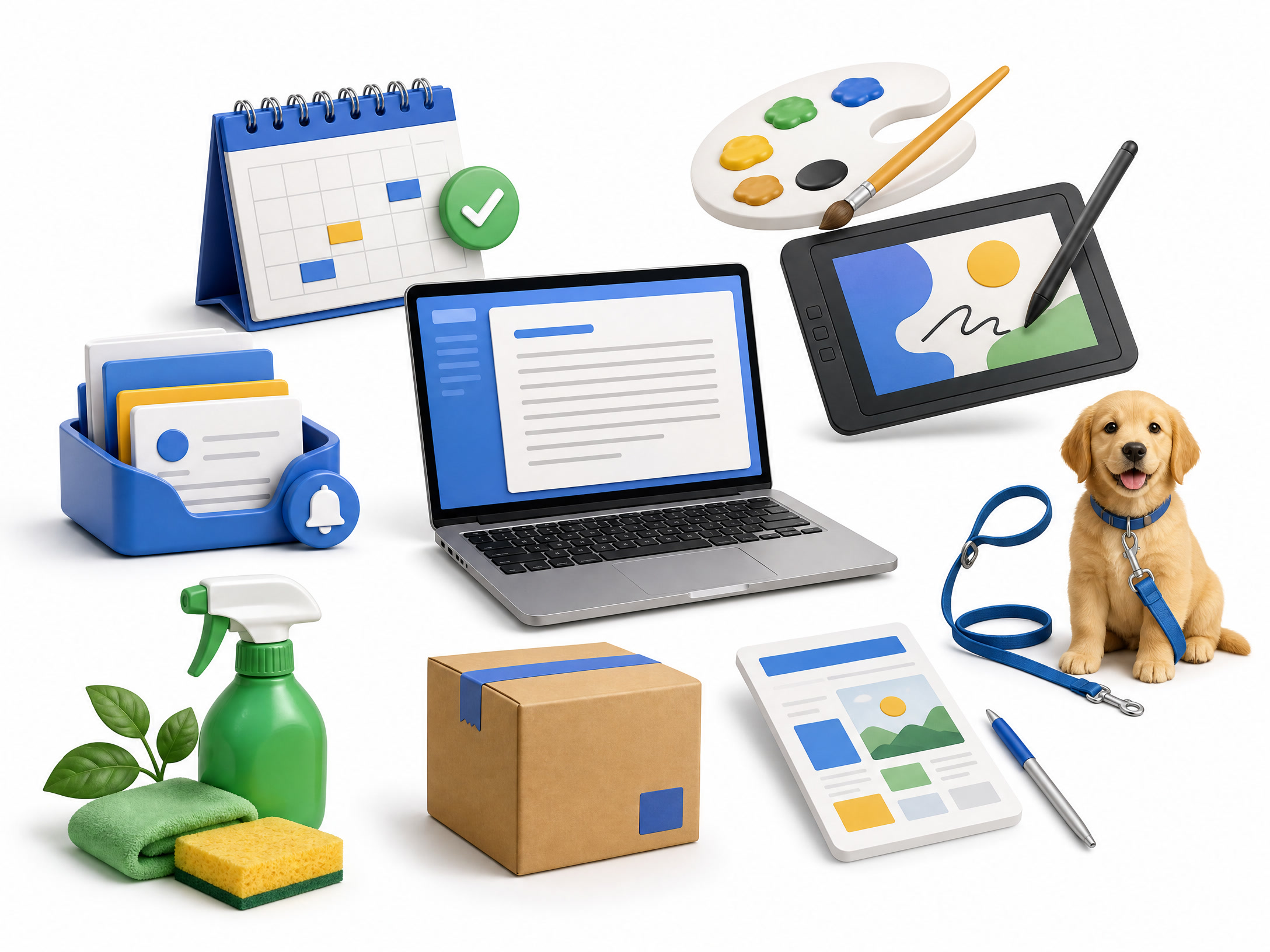
The ideas below are starting points, not promises of income. Choose one that matches your skills, access to customers, legal requirements, and available time. Before accepting work, confirm that you can deliver it safely and honestly.
1. Freelance Writing or Copy Editing
Businesses need clear website copy, email messages, product descriptions, newsletters, and editing. If you are comparing possible freelance services, see our guide to freelancing jobs that pay well for beginners. Start with one type of deliverable rather than advertising yourself as a writer for everything. Create two or three samples, show the problem each sample solves, and approach organizations whose existing content needs improvement.
2. Social Media Support
A small business may need help planning posts, writing captions, organizing a content calendar, or replying to routine comments. Offer a defined package with a clear number of posts, review rounds, and reporting tasks. Do not promise follower growth that you cannot control.
3. Virtual Assistant Services
Administrative support can include scheduling, inbox organization, research, document formatting, customer follow-up, or data cleanup. Choose a narrow customer type and define what access you need. Use strong passwords, two-factor authentication, and written procedures when handling another person’s information.
4. Simple Design Services
Tools such as Canva and Figma can help you create social graphics, presentations, menus, flyers, and basic visual systems. Do not sell professional services outside your competence. A clear brief and a limited revision policy protect both sides.
5. Online Tutoring or Coaching
If you have reliable knowledge in a subject, language, exam area, instrument, or software tool, tutoring may be testable with a simple profile and a small number of sessions. Platforms such as Wyzant and Preply can provide marketplaces, but review their terms, fees, screening rules, and availability in your region.
6. Pet Sitting or Dog Walking
Pet care can begin through referrals from neighbors, community groups, or established platforms. Reliability matters more than a polished brand. Set clear policies for cancellations, access to homes, emergencies, keys, medications, and animals with special needs. Check whether local rules or insurance are relevant.
7. Cleaning, Organizing, or Basic Home Services
Cleaning, decluttering, furniture assembly, and basic maintenance may be viable local services when you already have the necessary skills and equipment. Avoid work that requires a license or technical qualification unless you hold it. Quote after clarifying the size of the job, supplies, travel, timing, and what is excluded.
8. Local Marketing Audits
You can review a local business’s website, map profile, contact process, or social presence and provide a short list of practical improvements. Begin with a free or low-cost sample audit only if you can explain the paid deliverable that follows. Never imply that an audit guarantees more customers.
9. Digital Templates and Printables
Templates, checklists, spreadsheets, and printable planners can solve narrow problems without physical inventory. Start by researching the customer’s task, then create a small product that improves it. Account for marketplace fees, refunds, customer support, and intellectual-property rules before assuming that digital delivery means zero cost.
10. Short Guides, Ebooks, or Mini-Courses
Teach a focused outcome rather than trying to package your entire career into one product. A short guide can explain a repeatable process, while a mini-course can add demonstrations and exercises. Test the outline with potential buyers before recording or designing a large library.
11. Stock Photography, Video, or Illustrations
If you already create useful visual assets, stock platforms may provide a distribution channel. Read contributor agreements carefully, obtain permissions for recognizable people and private property when required, and expect income to depend on the size and quality of your portfolio.
12. Reselling Items You Can Source Safely
Reselling can begin with items you already own, then expand only when you understand demand, condition, fees, shipping, returns, and storage. Marketplaces such as eBay and Facebook Marketplace have different rules and risks. Calculate expected profit after every cost, not just the sale price.
13. Print-on-Demand Designs
Print-on-demand services can produce products after a customer orders, reducing inventory risk. Services such as Printful may handle fulfillment, but you still need to check product costs, shipping, platform fees, returns, taxes, and design rights. Test a narrow audience instead of uploading random designs.
14. Affiliate Content
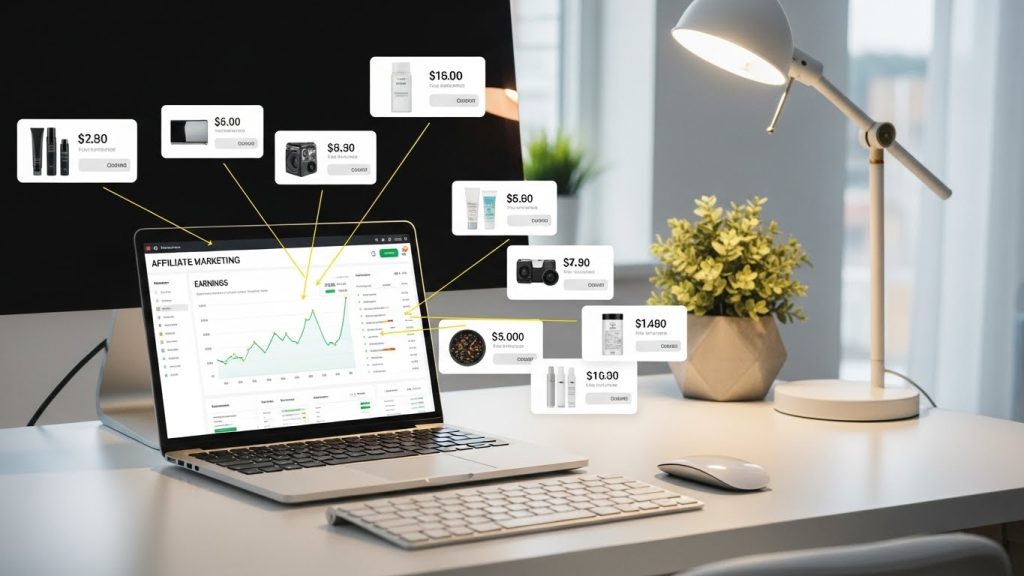
Affiliate content can earn commissions when a tracked recommendation leads to an eligible action. Our guide to how affiliate marketing works explains the model in more detail. The business depends on useful content, audience trust, accurate disclosures, and traffic. Read the Federal Trade Commission’s disclosure guidance and never imply that earnings are guaranteed.
15. Focused Consulting
Consulting is easier to explain when it promises a defined process rather than vague access to your experience. “I help independent retailers improve their monthly cash-flow forecast” is more useful than “I provide business advice.” Use a written scope, disclose limits, and avoid giving regulated professional advice unless qualified.
Validate the Idea Before You Spend
Validation is not proof that a business will succeed. It is a cheap way to discover whether a specific group has a problem, recognizes your proposed solution, and will take a meaningful next step. This matters because many online-income attempts fail when the creator skips customer research and focuses on a method before defining the problem.
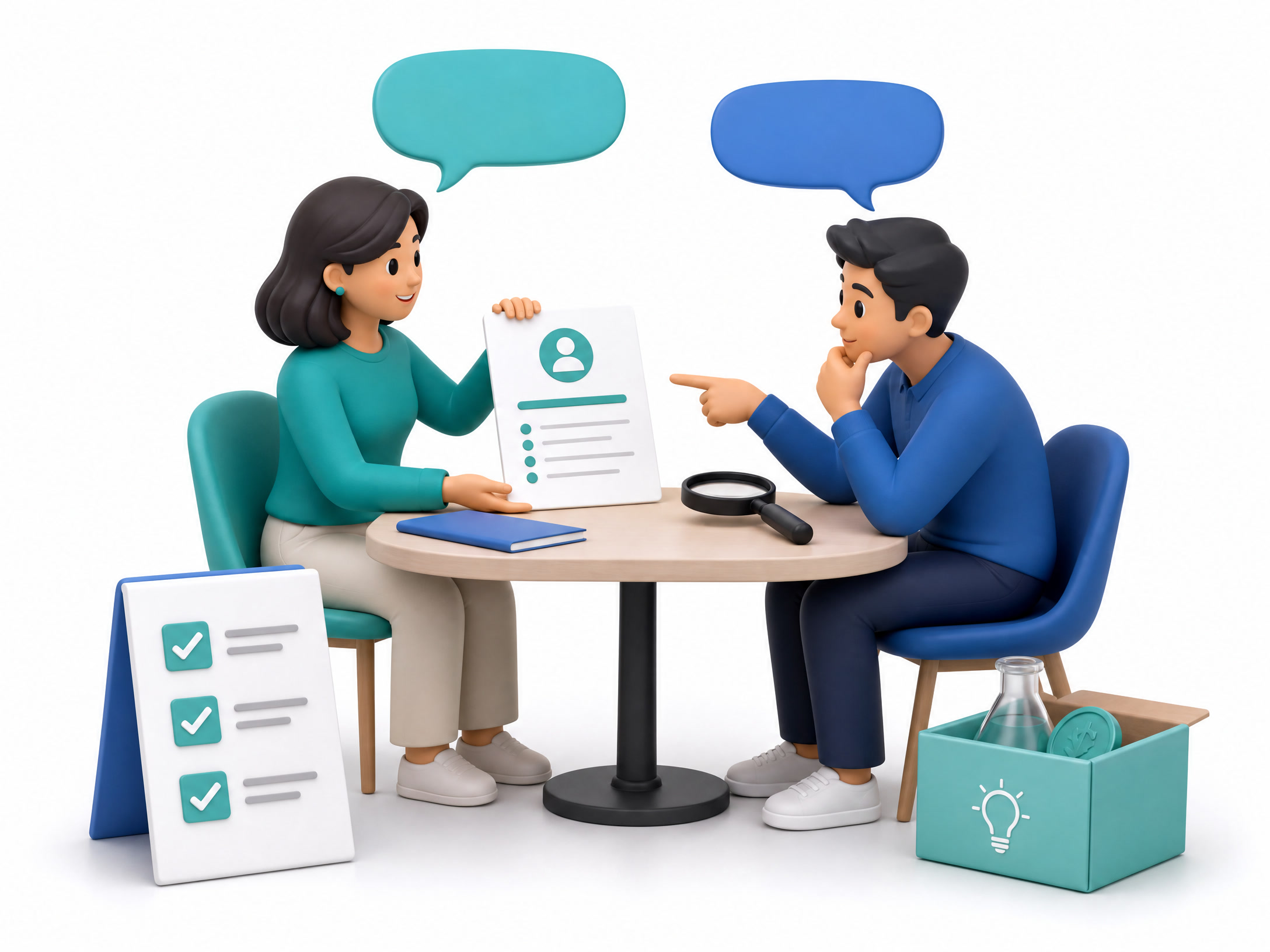
Talk to Ten Potential Customers
Speak with people who resemble your intended customer. Ask about their current process, what frustrates them, what they have already tried, and what the problem costs them. Avoid asking only, “Would you buy this?” People are often positive in conversation but cautious when payment becomes real.
Make a Small, Specific Offer
Describe the customer, problem, deliverable, timeline, price, and next step in a few sentences. A small paid pilot is stronger evidence than compliments or social-media likes. If the customer needs time, give a clear deadline rather than repeatedly redesigning the offer.
Record What You Learn
Track who you contacted, the problem they described, the objection they raised, the offer they saw, and what happened next. Patterns matter more than one enthusiastic friend. If nobody understands the offer, change the wording. If everyone understands it but nobody pays, reconsider the customer, problem, price, or timing.
Use Free Tools Without Building a Tool Collection
Free tools can help you communicate, organize work, create samples, accept payments, and store files. They do not replace a clear offer or dependable delivery. Start with the smallest toolset that supports the next customer action.
| Need | Possible starting point | What to check |
|---|---|---|
| Communication | Gmail or Proton Mail | Professional naming, response time, and account security |
| Documents | Google Docs or Microsoft web apps | Sharing permissions and version control |
| Design | Canva, Figma, or GIMP | Commercial-use rights and export limits |
| Project tracking | Trello, Notion, or a spreadsheet | Deadlines, ownership, and backups |
| Meetings | Google Meet or Zoom’s free plan | Time limits, recording rules, and privacy |
| Payments and invoices | A reputable processor or invoice tool | Fees, payout timing, refunds, and tax records |
Review the terms of every platform before relying on it. A free tier can change, restrict commercial use, add transaction fees, or limit access to your files.
A 30-Day Plan for Your First Sale
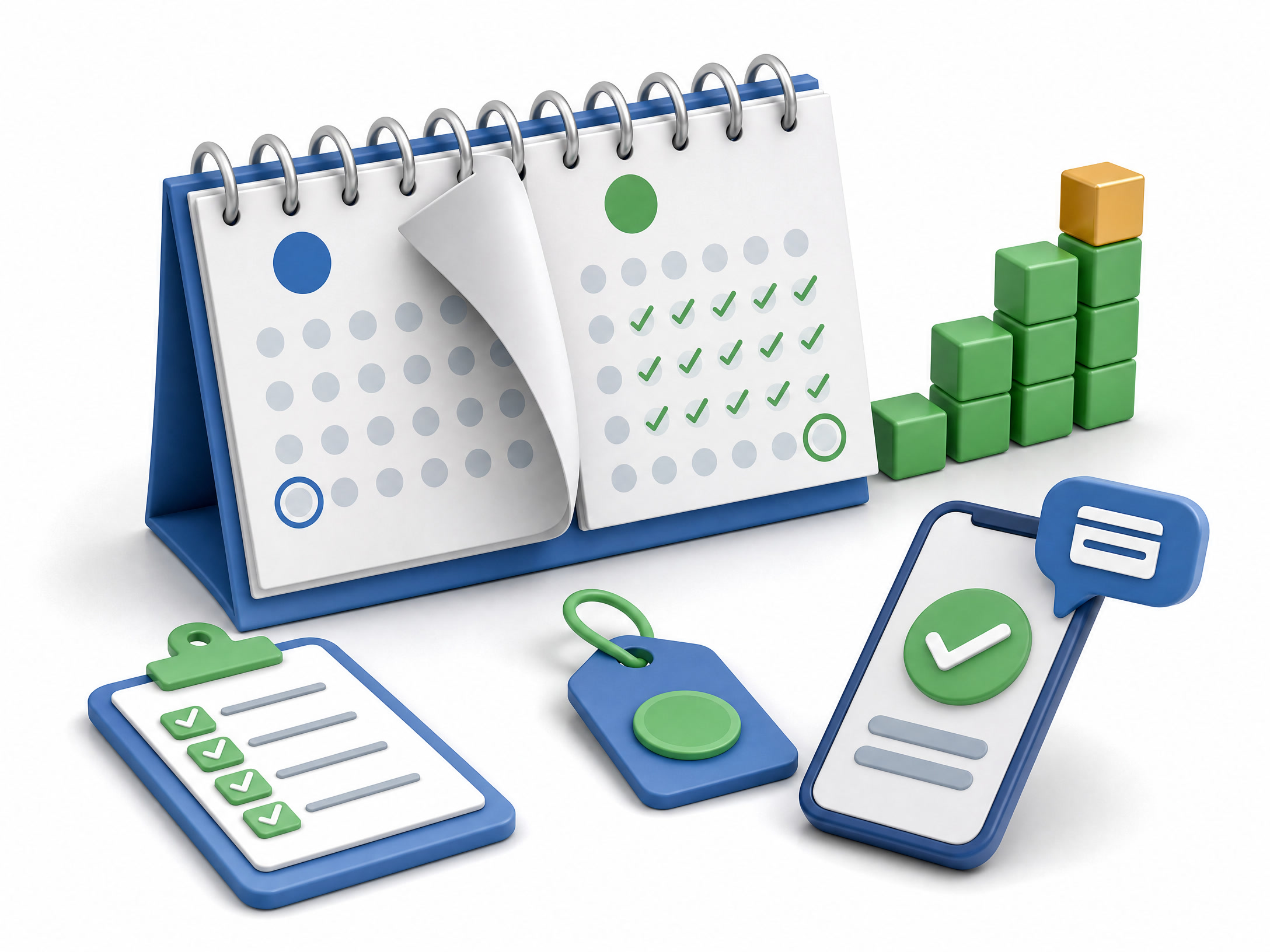
The plan below is designed to create evidence, not pressure you into spending. Adjust it if you have a full-time job, caregiving duties, health limitations, or other responsibilities.
- Days 1–3: Choose one customer group and write down three problems you can help solve.
- Days 4–7: Speak with at least ten potential customers. Record their exact language and objections.
- Days 8–10: Create one small offer with a defined deliverable, price, timeline, and payment step.
- Days 11–17: Send personalized outreach to people who fit the offer. Ask for a short call or a paid pilot.
- Days 18–24: Deliver carefully, communicate early about delays, and request specific feedback.
- Days 25–27: Calculate revenue, direct costs, platform fees, hours worked, and estimated profit.
- Days 28–30: Decide whether to improve the offer, change the customer group, raise the price, or stop the experiment.
A first sale is useful evidence, but it is not permission to assume the model is repeatable. Our guide on why people fail to make money online covers several of the planning and consistency problems that can appear after the first attempt. Look for a second and third customer before committing to recurring expenses.
Price for Profit, Not Just Revenue
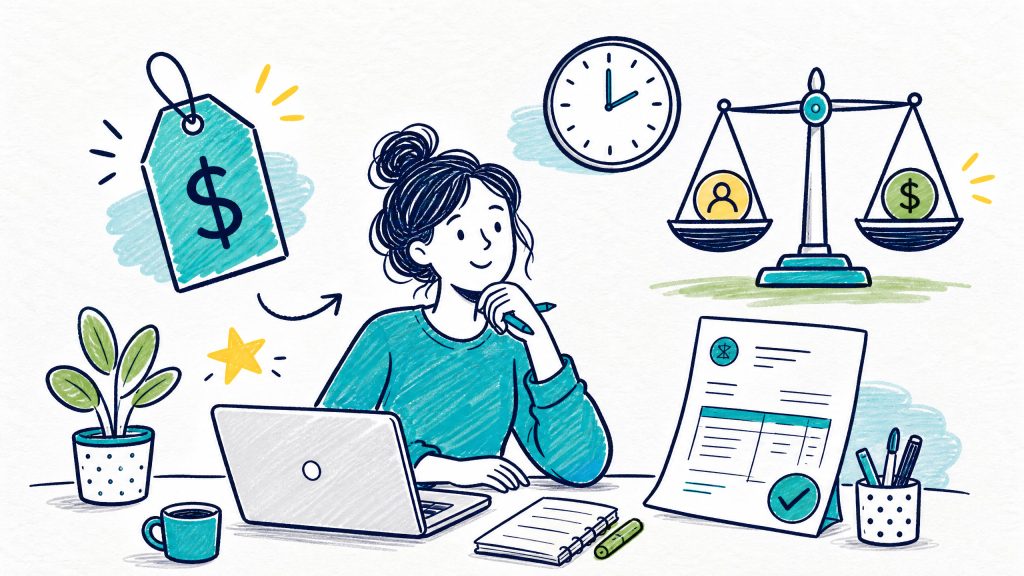
Revenue is the money a customer pays. Profit is what remains after direct costs and other business expenses. Your time matters too. A project that pays $200 but requires fifteen hours, multiple revisions, travel, and unpaid follow-up may be less attractive than it first appears.
For each project, record the following. If you are also managing household cash flow while starting the business, use FinanceClif’s Budget Planner to organize income, essential costs, and savings goals. Then record:
- Customer payment received
- Payment-processing and marketplace fees
- Materials, software, travel, or subcontractor costs
- Refunds, discounts, and unpaid revisions
- Total hours spent on sales, delivery, administration, and follow-up
- Money reserved for taxes where applicable
This simple record helps you decide whether to change the scope, price, customer type, or delivery process. Use the IRS small-business guidance for U.S. tax information, and consult a qualified professional when your situation requires personalized advice.
Legal and Safety Basics to Check
No-money does not mean no responsibility. Requirements vary by location and industry, but common checks include business registration, local permits, insurance, contracts, consumer-protection rules, intellectual-property rights, privacy obligations, and tax records.
- Use a written agreement that states the work, deadline, price, payment terms, revisions, cancellation rules, and ownership of deliverables.
- Do not use copyrighted images, music, text, logos, or customer data without permission.
- Protect customer information with strong passwords, limited access, and secure storage.
- Do not provide legal, tax, medical, investment, or other regulated advice unless you are qualified and authorized to do so.
- Check local rules before offering home repair, food, childcare, transportation, financial, or other regulated services.
For U.S. work-from-home and business opportunities, the Federal Trade Commission’s job-scam guidance is a useful reminder: walk away from offers that require payment to access promised work, ask you to deposit a check and send money back, or demand sensitive information before the opportunity is verified.
Mistakes That Make a No-Money Business More Expensive
Buying Before Validation
A new website, course, camera, subscription, or inventory order can feel like progress. It is only progress if it helps you test or deliver a real offer. Ask what customer action the purchase enables and whether a cheaper alternative exists.
Trying to Serve Everyone
Broad positioning creates vague marketing and weak referrals. Start with one customer group and one problem. You can expand after you understand what people buy and why they choose you.
Confusing Revenue With Profit
A busy calendar can hide a weak business. Track the full cost of delivery, including your time. If a service cannot produce a reasonable return after costs, improve the process or change the offer before trying to scale it.
Promising Results You Cannot Control
Do not guarantee rankings, sales, investment returns, viral reach, employment, or business growth when outside factors affect the outcome. Promise the work you control, define how success will be measured, and explain the limitations.
When to Reinvest in the Business
Reinvest after you have evidence that a specific cost improves delivery, customer experience, compliance, or reliable demand. Good early investments may include required insurance, better equipment that saves substantial time, professional tax help, secure software, or a tool that removes a proven bottleneck.
Do not treat every sale as money available to spend. Separate operating costs, taxes, owner compensation, reserves, and reinvestment. If you are building a reserve for a future business expense, the Savings Goal Calculator can help you estimate a regular contribution. A simple system makes growth slower in the short term but safer when a customer leaves or an unexpected bill arrives.
Your First Sale Is the Beginning of the Test
Starting a business with no money is not a shortcut around work. It is a way to sequence the work more carefully. Begin with a real customer problem, test a small offer, deliver what you promised, and measure what remains after costs and time.
You do not need to decide your entire business on day one. You need to choose one useful problem, speak with people who experience it, and ask whether they will take a reasonable next step. That first paid test can teach you more than another month of logo design or business-plan templates.
Frequently Asked Questions
Can you really start a business with no money?
You can test some service businesses with little or no new spending, especially when you already have the required skill and basic tools. Many businesses still require costs for permits, insurance, equipment, transport, payment processing, or professional help, so check the requirements before accepting work.
What is the best business to start with no money?
The best starting point is usually a specific service you can deliver now to a reachable customer group. The right choice depends on your skills, time, location, equipment, legal requirements, and ability to find customers. There is no universal best business.
Do you need to register a business immediately?
Registration rules depend on your location, business structure, name, industry, and revenue. Do not assume that a small business is exempt from local permits, tax obligations, contracts, or insurance. Check official government guidance or seek qualified professional advice before operating in a regulated area.
How do you get your first customer?
Start with people and organizations that fit your offer. Ask useful questions, show a relevant sample, explain one clear outcome, and make a small paid offer with a defined scope. Referrals and personalized outreach usually provide better early feedback than posting a vague advertisement to everyone.
Should you pay for a website before making a sale?
Usually, no. A simple profile, portfolio document, or one-page site may be enough to explain your offer while you validate demand. Pay for a more advanced website when it solves a proven problem, such as accepting bookings, showing a larger portfolio, or supporting a repeatable sales process.
Educational Disclaimer
This article is for educational purposes only and does not constitute legal, tax, financial, or professional business advice. Business requirements and tax rules vary by location and circumstance. Verify current information with the relevant government agency or a qualified professional before acting.